01
Soot is acidic and keeps working
Residue left on surfaces continues to etch metal, discolor paint, and set into porous material. The longer it sits, the more items move from cleanable to replaceable, which is why fast cleanup matters.

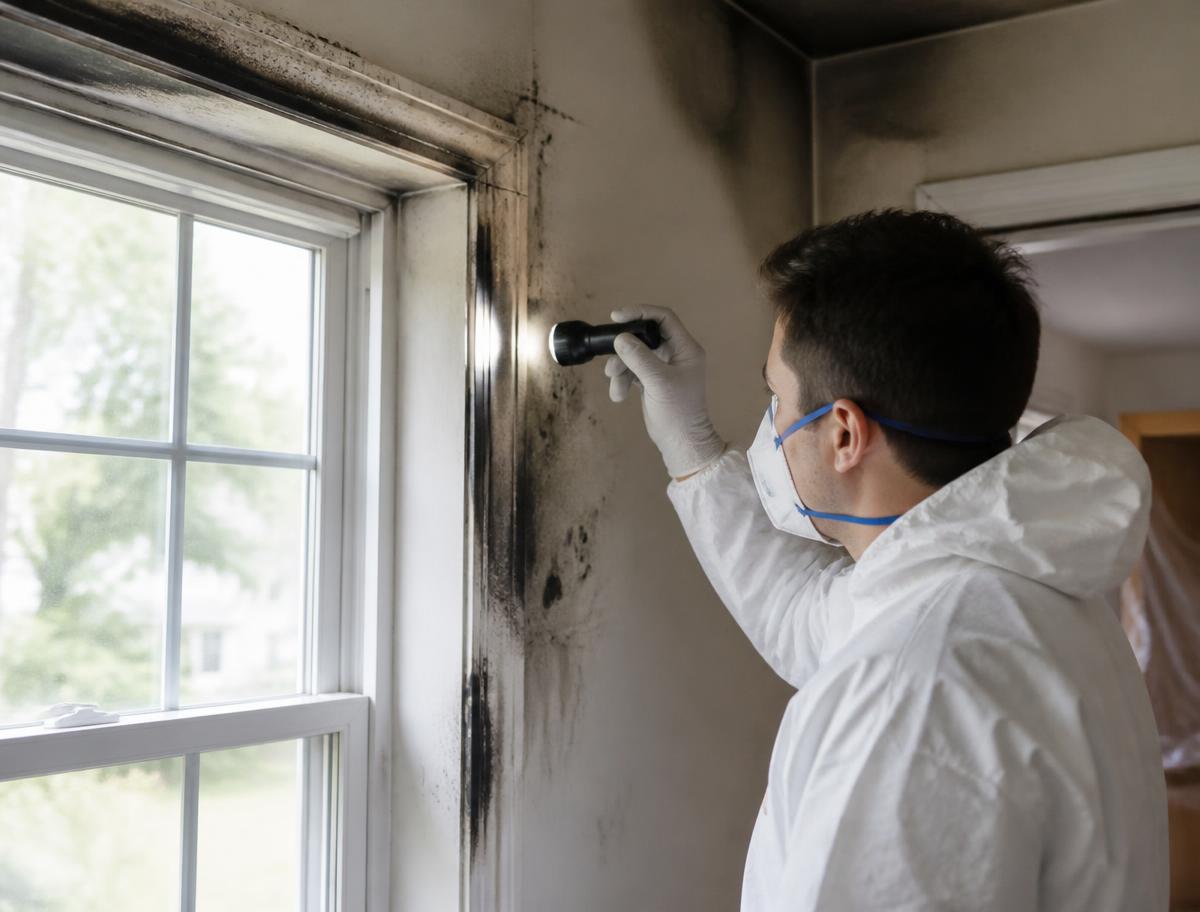
Fire & Smoke Damage
Fire damage is not limited to what burned. Smoke and soot travel through a home in ways that are not always obvious. Here is how Spartan assesses and addresses it.
Available 24/7/365 · 60 minute response to the Greater Tulsa metro · IICRC licensed and insured
Overview
Fire and smoke damage restoration addresses both direct fire damage and the secondary effects of smoke and soot, which can spread well beyond the fire area through HVAC systems and airflow.
The process follows the same IICRC standard inspection and mitigation approach used for water damage, adapted for fire specific hazards.
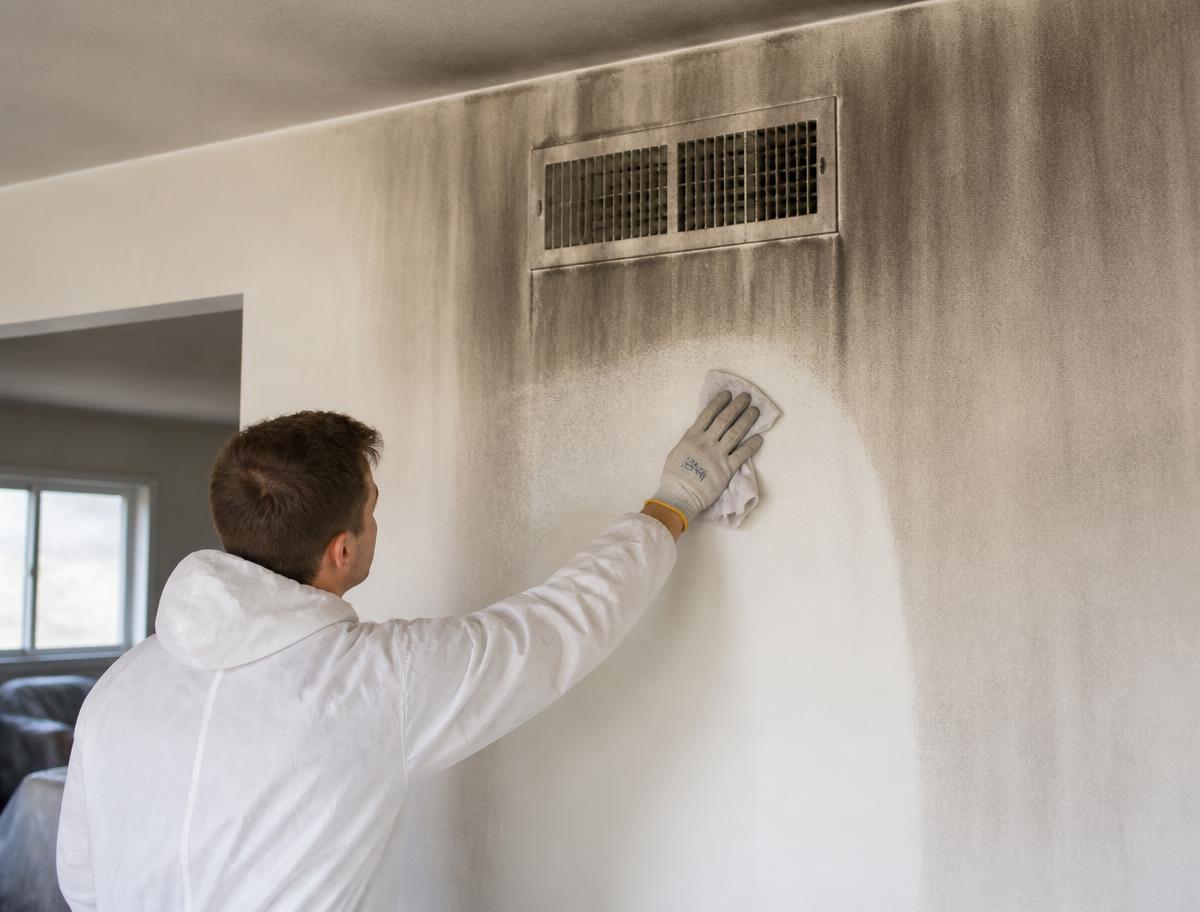
What to look for
Learn the basics
Most of what a fire costs a family happens after the flame is out. Smoke chemistry and airflow explain the rest of the loss.
Residue left on surfaces continues to etch metal, discolor paint, and set into porous material. The longer it sits, the more items move from cleanable to replaceable, which is why fast cleanup matters.
A fast, hot fire leaves dry powdery soot that brushes off. A smoldering fire leaves sticky wet soot. A kitchen grease fire leaves protein residue that is nearly invisible and smells strongly. Each needs its own cleaning method.
Pressure and temperature push smoke through HVAC ducts, wall cavities, and gaps around outlets. That is why a garage fire can leave odor in an upstairs bedroom, and why the HVAC system is part of the assessment.
Masking sprays fade. Real deodorization means cleaning or removing the material holding the residue, then treating the air and remaining surfaces, and verifying the smell does not come back.
Timeline
Day 1: secure the structure, address firefighting water, and start air control.
Days 2 to 4: inventory contents, protect what is salvageable, begin soot cleaning.
Days 5 to 7: structural cleaning, odor treatment, and a documented rebuild scope.
Our process
The same IICRC standard steps every time, explained plainly so you know what to expect.
Step 1 of 3
We diagnose the extent of fire and smoke damage and identify safety hazards specific to fire damaged structures.
Step 2 of 3
Mitigation equipment is matched to smoke and soot removal, not just standard drying equipment.
Step 3 of 3
We keep assessing conditions through the mitigation process instead of checking once at the end.
Why choose Spartan
IICRC FSRT certified (Fire & Smoke Restoration Technician), licensed #6302400, fully insured. One local team stays with the job from mitigation through rebuild.
Good to know
Only after the fire department clears the structure. Even then, soot and post fire air quality are real hazards, so limit your time inside, do not run the HVAC system, and avoid wiping soot off surfaces because it grinds the residue in deeper.
Yes. Odor work is part of a fire job, not an add on. It starts with removing the material holding the smoke, then cleaning surfaces and ductwork, and finishes with air treatment on any space that still carries odor after cleaning.
Yes. We work with all carriers and can bill your insurance directly. We document the damage as we go so your adjuster has what they need.
Many hard surfaces and a lot of contents can be cleaned when the work starts quickly. Porous items that absorbed heavy residue, such as some upholstery, mattresses, and open food, are usually replaced.
Smoke moves with air. Pressure, heat, and the HVAC system carry residue and odor into rooms far from the fire, which is why the assessment covers the entire home and the duct system.
Do not wipe soot off walls with a wet rag, do not run the HVAC system, and do not use electronics that were exposed to smoke. Each of those can spread residue or make the damage permanent.
Fire is one of the most commonly covered perils on a standard homeowners policy, including the water damage caused by putting the fire out. We document both so nothing gets missed.
Cleaning and deodorization on a contained loss often runs one to two weeks. If structure burned and needs rebuilding, the reconstruction phase adds time based on the scope, which we lay out in writing.
Call now for a 60-minute response from a team that treats your home like our own.
24/7 emergency response · Licensed & insured · Works with all insurance carriers